Have you suddenly noticed ants in your kitchen, bathroom, walls, or around your home and wondered, “Where do ants come from?” You clean regularly, wipe your countertops, and keep food covered, yet they still seem to appear out of nowhere.
The truth is that ants do not magically appear. These tiny insects enter homes for specific reasons, and understanding those reasons can help prevent an infestation before it becomes a bigger problem.
Ants are among the most common household pests and can quickly become frustrating when they start invading food storage areas, furniture, gardens, and living spaces. This guide answers the most common questions people ask about ants, explains why they enter homes, and provides practical ways to stop them.
What Are Ants?
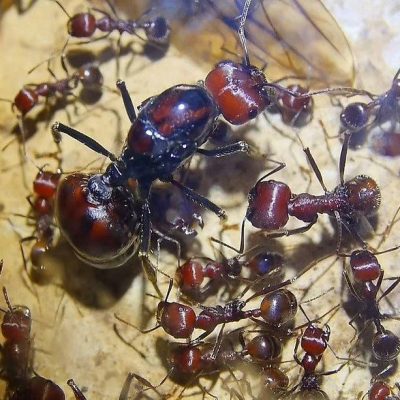
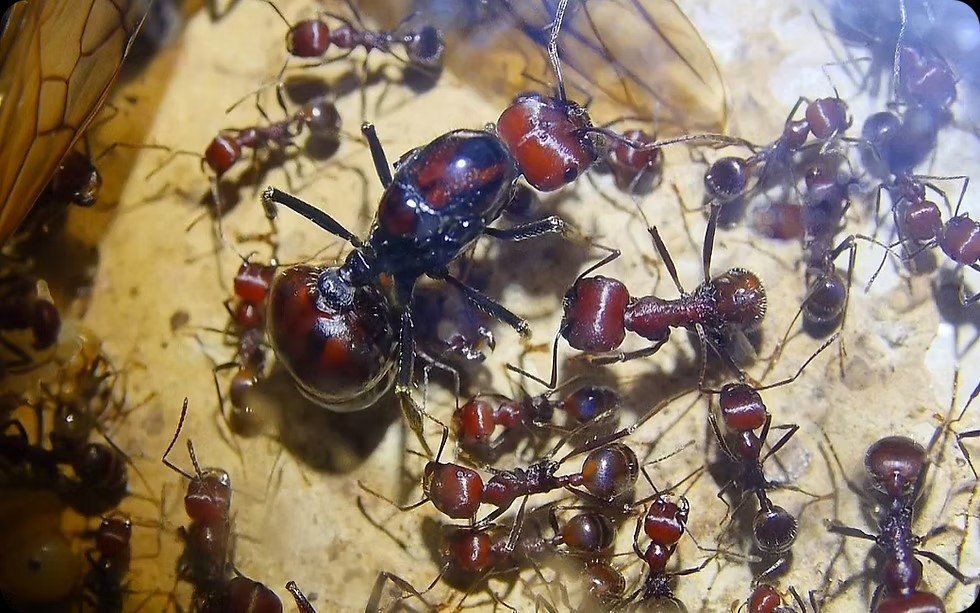
Ants are social insects that live together in organized colonies. A colony may contain hundreds or even thousands of ants working together.
An ant colony usually consists of:
- Queen ants
- Worker ants
- Male ants
- Young ants (larvae)
Worker ants are usually the ants people see moving around kitchens and homes searching for food.
Where Do Ants Actually Come From?
Most ants originate from colonies built outdoors and later enter buildings looking for resources.
Common places ants come from include:
- Soil around homes
- Gardens
- Tree roots
- Under pavements
- Cracks in walls
- Roof spaces
- Drains
- Foundation gaps
- Nearby nests
Once a worker ant discovers food or water inside your home, it leaves a chemical trail called a pheromone trail that other ants follow.
This explains why seeing one ant can quickly turn into seeing dozens.
10 Hidden Causes of Ant Infestations
1. Food Crumbs Left Behind
Even tiny food particles can attract ants.
Common food sources include:
- Bread crumbs
- Sugar
- Fruits
- Juice spills
- Pet food
- Snacks
- Leftover food
Small amounts of food that humans barely notice can easily attract ants.
2. Sweet Foods and Sugary Drinks
Many ants love sugar.
Items that attract ants include:
- Honey
- Soda
- Juice
- Candy
- Syrup
- Cakes
Sticky food residues often become strong ant attractants.
3. Water Sources Around the House
Like every living creature, ants need water to survive.
Common water sources include:
- Leaking taps
- Wet sinks
- Pipe leaks
- Standing water
- Damp walls
4. Cracks and Small Openings
Ants can enter through surprisingly tiny spaces.
Common entry points include:
- Window gaps
- Door spaces
- Wall cracks
- Pipe openings
- Vent openings
5. Nearby Outdoor Colonies
Many ant colonies live outside and send workers indoors searching for resources.
Outdoor locations include:
- Gardens
- Tree roots
- Pavement edges
- Soil piles
- Flower beds
6. Pet Food Left Out
Pet food often contains ingredients that attract ants.
Leaving food bowls exposed for long periods may increase ant activity.
7. Overgrown Vegetation
Plants and tree branches touching buildings may create pathways for ants.
Examples include:
- Bushes
- Tree branches
- Dense shrubs
- Tall grass
8. Uncovered Garbage
Garbage bins may attract ants because they contain food waste.
Possible attractants include:
- Fruit peels
- Food leftovers
- Sweet packaging
- Liquid spills
9. Seasonal Weather Changes
Heavy rains and dry weather sometimes force ants to search for shelter indoors.
Ant activity often increases during:
- Rainy seasons
- Hot weather
- Dry conditions
10. Hidden Nesting Areas Inside Buildings
Sometimes ants establish colonies inside buildings.
Possible nesting locations include:
- Walls
- Floors
- Wooden structures
- Roof spaces
- Furniture
Common Types of Ants Found Around Homes
| Ant Type | Appearance | Common Location | Main Problem |
|---|---|---|---|
| Black Ant | Small black body | Kitchens and gardens | Food contamination |
| Carpenter Ant | Large dark body | Wood structures | Structural damage |
| Sugar Ant | Small light-colored body | Kitchens | Food contamination |
| Fire Ant | Red body | Outdoor soil | Painful bites |
| Pharaoh Ant | Tiny yellow ants | Buildings | Rapid spread |
Signs You May Have an Ant Infestation
Watch for these warning signs:
Ant Trails
Long lines of ants moving toward food.
Soil Piles
Small piles near walls and floors.
Ant Activity Near Food
Frequent ants around:
- Kitchens
- Cupboards
- Food storage areas
Increased Indoor Activity
Repeated sightings indoors may indicate a nearby colony.
Frequently Asked Questions About Ants
Can Ants Bite?
Yes. Some species can bite and certain ants may sting.
Are Ants Dangerous?
Most ants are harmless, but some species may:
- Contaminate food
- Damage wood
- Cause painful bites
Why Do I Only See Ants During Certain Seasons?
Changes in temperature and weather often affect ant movement and behavior.
Can Ants Damage Property?
Some ants, such as carpenter ants, may damage wooden structures over time.
How to Prevent Ants from Entering Your Home
Keep Food Sealed
Store food in airtight containers.
Clean Food Spills Quickly
Wipe surfaces regularly and remove crumbs immediately.
Repair Water Leaks
Fix:
- Leaking taps
- Pipes
- Damp areas
Seal Entry Points
Close:
- Wall cracks
- Window gaps
- Pipe openings
Keep Outdoor Areas Maintained
Trim:
- Trees
- Bushes
- Grass
Dispose of Garbage Properly
Empty bins regularly and keep lids closed.
DIY vs Professional Ant Control Services
| DIY Methods | Professional Ant Control Services |
|---|---|
| Temporary results | Long-term solutions |
| May miss hidden nests | Full inspection |
| Limited effectiveness | Targeted treatments |
| Higher return risk | Preventive strategies |
Need Help with Ant Infestations? We Are Here to Help
Ants may appear small, but large colonies can become difficult to manage without proper treatment. Early intervention helps prevent infestations from spreading throughout your home or business.
RHOBZA EXTERMINATORS provides professional and reliable pest control services designed to eliminate ants and prevent them from returning.
Contact RHOBZA EXTERMINATORS Today
☎️ Phone: +254 769 545 458
✉️ Email: rhobzafumigation@gmail.com
🌐 Website: RHOBZA EXTERMINATORS
Protect your home and business with safe, reliable, and professional pest control solutions across Kenya.